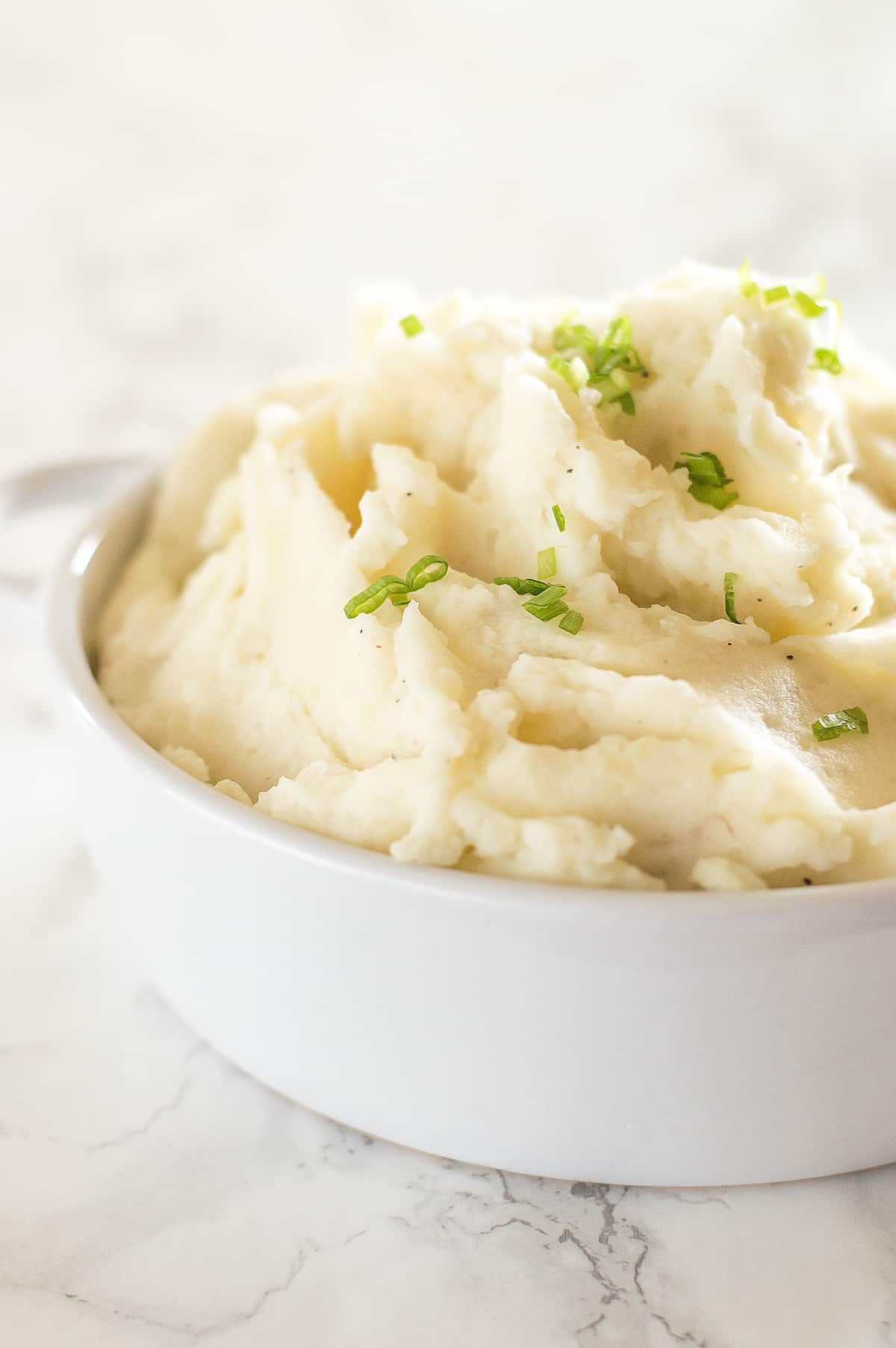
Learn The Flexible No-Recipe Mashed Potato Technique
Forget everything you thought you knew about strict measurements and complicated steps. Mastering no recipe homemade mashed potatoes isn't just about cooking a side dish; it's about learning a fundamental culinary technique that empowers you in the kitchen. This isn't just another recipe; it's a flexible approach that ensures perfect, personalized mashed potatoes every time, without the need for a cookbook or a mixer.
Mashed potatoes are the ultimate comfort food, a versatile crowd-pleaser that elevates almost any meal. Whether accompanying a juicy roast chicken, nestled beneath a rich pot roast, or served alongside creamed turkey, their creamy texture and savory flavor are universally adored. Yet, for many home cooks, the idea of making them from scratch feels daunting, leading to reliance on boxed alternatives. But what if we told you that truly fantastic, fresh homemade mashed potatoes are incredibly easy to achieve?
The beauty of this "no-recipe" method lies in its adaptability. You can make them as healthy or as decadent as you like, catering to dietary preferences like vegan or dairy-free, or simply indulging in a sinfully rich creation. This technique is designed to be learned once, allowing you to confidently whip up a batch whenever the craving strikes, freeing you from ever having to consult a recipe again. It's a skill that builds intuition, encouraging you to taste, adjust, and trust your instincts – the hallmarks of a confident cook.
The Philosophy Behind No-Recipe Mashed Potatoes
At its heart, the no-recipe approach to mashed potatoes is about liberation. It's about moving away from the rigid confines of exact measurements and towards a more intuitive style of cooking. Think of it less as following instructions and more as understanding principles. The goal isn't to reproduce someone else's potatoes, but to create your perfect mashed potatoes, tailored precisely to your taste and the occasion.
This technique champions flexibility and personal preference. Do you prefer a fluffy, airy mash or a denser, creamier texture? Do you crave the rich tang of buttermilk or the subtle sweetness of full-fat cream? With this method, you are the chef in control, making decisions based on what looks, smells, and tastes right. It encourages experimentation and reduces food waste, as you learn to adjust quantities of fat, dairy, and seasoning based on the specific batch of potatoes and your desired outcome.
This intuitive method is particularly useful for ditch the box: easy homemade mashed potatoes for any meal, as it simplifies the process and makes it accessible for cooks of all skill levels. It builds confidence, transforming a seemingly complex dish into a simple, enjoyable culinary act.
Key Ingredients & Essential Equipment for Your Mash
While this is a no-recipe guide, understanding your core ingredients and tools is crucial. Each component plays a vital role in achieving that perfect consistency and flavor.
Choosing Your Potatoes
The type of potato you select significantly impacts the final texture of your mash. Here are some excellent choices:
- Russet Potatoes: Often considered the gold standard for mashed potatoes due to their high starch content. They cook up light and fluffy, absorbing butter and dairy beautifully for an airy, cloud-like texture.
- Yukon Gold Potatoes: These are a fantastic all-rounder, offering a naturally buttery flavor and a creamy, slightly denser texture when mashed. Their medium starch content makes them less prone to gumminess than waxy varieties.
- Red Potatoes: While not as starchy as Russets or Yukon Golds, red potatoes offer a slightly waxy texture that results in a denser, often chunkier mash. They also have a lovely skin that can be left on for added rustic charm and nutritional value.
- Combinations: Don't be afraid to mix and match! A blend of Russets and Yukon Golds, for instance, can provide the best of both worlds – fluffiness with a rich, creamy undertone.
Fats and Dairy: The Creaminess Factor
These are the components that transform boiled potatoes into a luscious mash. The richer the choice, the richer your potatoes will be.
- Butter/Margarine/Non-Dairy Butter: Essential for flavor and richness. Salted or unsalted butter works well; adjust added salt accordingly. For a vegan or dairy-free option, non-dairy butter replacements are excellent.
- Milk/Cream/Plant-Based Milk:
- Whole Milk/Half-and-Half/Heavy Cream: These provide varying degrees of richness and creaminess. Heavy cream yields the most luxurious, decadent mash.
- Buttermilk: Adds a subtle tangy note that can be incredibly delicious.
- Plant-Based Milks: Unsweetened almond milk, oat milk, or cashew milk are great alternatives for dairy-free diets. Be mindful of their flavor profiles and ensure they are unflavored.
- Other Fats: Beyond butter, consider adding a drizzle of good olive oil for a Mediterranean twist, or even a spoonful of sour cream or cream cheese for extra tang and body.
Seasoning Beyond the Basics
Salt and pepper are non-negotiable, but don't stop there!
- Salt: Crucial for bringing out the potatoes' natural flavor. Start by salting the cooking water well.
- Black Pepper: Freshly ground is always best.
- Garlic: Roasted garlic, garlic powder, or even a quickly sautéed minced garlic can add incredible depth.
- Herbs: Fresh chives, parsley, rosemary, or thyme, finely chopped, can elevate the dish.
- A Pinch of Nutmeg: A traditional, subtle addition that enhances the overall flavor profile.
- Onion Powder/Smoked Paprika: For a deeper, more savory dimension.
Tools for Mashing
You don't need fancy equipment to make superb mashed potatoes, but certain tools make the process easier and achieve different textures.
- Fork: Perfect for small batches or if you prefer a rustic, chunky mash.
- Potato Masher: The classic tool, offering efficiency and control over chunkiness.
- Potato Ricer: For those who desire perfectly smooth, lump-free, restaurant-quality mashed potatoes. It pushes the cooked potato through small holes, creating a very fine, airy texture.
- Hand Mixer/Stand Mixer: Use with caution! While it can create very smooth potatoes, overmixing can activate starch and lead to a gummy, unappetizing texture. Use on low speed for minimal time if opting for this method.
The Flexible Step-by-Step Technique for Perfect Mash
This is where the magic of "no-recipe" truly comes alive. We'll focus on technique and sensory cues rather than precise measurements.
- Prep Your Potatoes: Peel your chosen potatoes (or leave skins on if using red potatoes for a rustic look) and dice them into roughly 1-inch pieces. Consistency is key here; uniformly sized pieces will cook evenly, preventing some pieces from being undercooked while others are mushy.
- The Cold Water Start & Salting: Place the diced potatoes in a large pot. Cover them with cold water by at least an inch or two. This is a critical step: starting with cold water ensures that the potatoes cook evenly from the outside in. If you start with hot water, the outsides will overcook and become mushy before the insides are tender. Generously salt the water – think 1-2 teaspoons for a medium pot. This seasons the potatoes from within as they cook, enhancing their flavor.
- Boil Until Tender: Bring the pot to a rolling boil over medium-high heat. Once boiling, reduce the heat slightly to maintain a steady, gentle boil. Cook the potatoes for approximately 8 to 12 minutes, or until they are fork-tender. You should be able to easily smash a piece against the side of the pot with a fork without resistance. Do not overcook, or they will become waterlogged and difficult to mash without becoming gummy.
- Drain Thoroughly: Remove the pot from the heat and carefully drain the potatoes completely in a colander. For an even drier, fluffier result, return the drained potatoes to the empty hot pot over very low heat for 1-2 minutes, allowing any residual moisture to steam off. Shake the pot gently during this time.
- The Mashing & First Additions: Using your chosen mashing tool (fork, masher, or ricer), begin to smash the potatoes in the pot. Once mostly broken down, add a generous knob of butter (or your chosen fat) and a splash of milk or cream (ensure dairy is warm for best incorporation and temperature retention). Start with less than you think you need – you can always add more.
- Mix, Taste, and Adjust: Incorporate the butter and dairy into the mashed potatoes. Add a pinch of salt and pepper. Now, the most important step: taste them. Do they need more salt? More butter for richness? Another splash of milk for creaminess? Continue to add small amounts, mixing well after each addition, and tasting until they reach your desired consistency and flavor. This iterative process is the heart of the "no-recipe" method. Don't be afraid to adjust until they are perfect for you.
- Final Touches: Once you've achieved your ideal mash, stir in any additional flavor boosters like chopped chives, roasted garlic, or a sprinkle of nutmeg. Serve immediately while warm.
Customizing Your No Recipe Homemade Mashed Potatoes
This technique is a launchpad for endless variations. Here are some ideas to make them uniquely yours:
- Garlic & Herb Mash: Sauté minced garlic in butter before adding to potatoes, then mix in fresh rosemary and thyme.
- Cheesy Mash: Incorporate shredded cheddar, Parmesan, or Gruyère cheese while mashing.
- Loaded Mash: Stir in crispy bacon bits, sour cream, and chopped green onions.
- Spicy Mash: Add a pinch of cayenne pepper, a dash of hot sauce, or finely diced jalapeños.
- Vegan/Dairy-Free Delight: Use olive oil or plant-based butter, and unsweetened plant-based milk (oat or cashew milk work wonderfully).
- Root Vegetable Blend: Mix in cooked and mashed parsnips, carrots, or sweet potatoes for added color and flavor complexity.
Conclusion: Your Mashed Potato Mastery
Learning the flexible no recipe homemade mashed potatoes technique is more than just knowing how to make a side dish; it's about gaining confidence and intuition in the kitchen. By focusing on the principles of even cooking, gradual additions, and constant tasting, you unlock the ability to create perfectly tailored mashed potatoes every single time. So, ditch the box, embrace the freedom of intuitive cooking, and delight in the comforting, delicious results of your own culinary prowess. You now possess the ultimate guide to making mashed potatoes that are truly your own.
